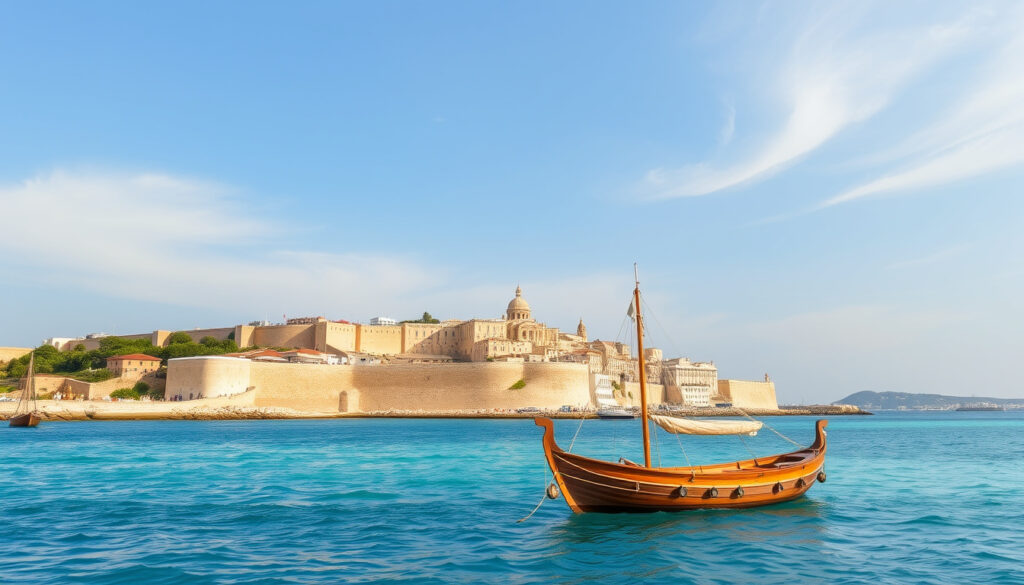
Things to Do in Malta: Attractions, Budget & Tips 2026
Most travelers I know have stared at a photo of Malta’s Blue Lagoon and immediately started checking flight prices. That turquoise water is real, but the cost of getting there and what you’ll actually spend once you land is a different story—this guide cuts through the Instagram filters and gives you a practical, budget-conscious look at the best things to do in Malta for 2026, from ancient temples to village festas, with honest answers on trip length, costs, etiquette, and timing.
UNESCO World Heritage Sites: 3 ·
Average daily budget per person: €80–€120 ·
Peak tourist season: June–August ·
Official languages: Maltese, English ·
Currency: Euro (€) ·
Average summer temperature: 30°C (86°F)
Quick snapshot
- Valletta’s St. John’s Co-Cathedral (Visit Malta tourism authority)
- Ħaġar Qim and Mnajdra temples (Heritage Malta site management)
- Mdina and Rabat (Visit Malta tourism authority) (Visit Malta tourism authority)
- Village festivals (festas) across the islands (Visit Malta tourism authority) (Visit Malta tourism authority)
- Blue Lagoon swimming and boat trips to Comino (Rozie travel guide)
- Diving and snorkeling in Comino and Gozo (Rozie travel guide)
- Hiking the Dingli Cliffs (Rozie travel guide)
- Kayaking around Gozo’s coastline (Rozie travel guide)
- Eat at local bakeries (pastizzi for €1) (Postcards by Hannah travel blog)
- Use public buses instead of taxis (Malta Public Transport official operator)
- Visit free attractions like beaches and churches (Rozie travel guide) (Postcards by Hannah travel blog)
- Book accommodation in advance during shoulder months to secure lower rates (Nomadic Matt budget travel expert)
- Best weather: May–June and September–October (Radical Storage travel guide)
- Lowest prices: November–March (except Christmas) (Nomadic Matt budget travel expert) (Radical Storage travel guide)
- Avoid August for crowds and extreme heat (Radical Storage travel guide) (Radical Storage travel guide)
Basic information every traveler should know:
| Fact | Details |
|---|---|
| Capital | Valletta |
| Population | Approx. 520,000 |
| Currency | Euro (€) |
| Official languages | Maltese, English |
| Time zone | CET (UTC+1), CEST in summer |
| Driving side | Left |
| Country code | +356 |
What should I not miss in Malta?
Top attractions in Valletta and the Three Cities
Valletta, a UNESCO World Heritage site, packs over 320 monuments into less than a square kilometer (Visit Malta tourism authority). That density means you can walk from St. John’s Co-Cathedral to the Upper Barrakka Gardens in under 10 minutes. The Three Cities — Vittoriosa, Senglea, and Cospicua — sit across the Grand Harbour and offer a quieter, more lived-in view of Maltese history. Free walking tours run regularly and cover both sides of the harbor.
You can see the essentials of Valletta in a single day, but the Three Cities reward those who wander without a strict itinerary. Budget travelers: skip the €15 harbour cruise and take the Malta Public Transport official operator ferry from Valletta for under €2 instead.
The implication: prioritize Valletta and the Three Cities together on Day 1, using the ferry as your cheap connector between them.
Must-see ancient temples: Ħaġar Qim, Mnajdra, and Tarxien
Ħaġar Qim dates back to 3600 BC (Heritage Malta site management), making these temples older than the Egyptian pyramids. Entry for a single site costs roughly €5, according to Nomadic Matt budget travel expert, and a Heritage Malta combined ticket covers multiple temples at a discount. The sites are open year-round except for closures on 1 January, Good Friday, and 24, 25, and 31 December (Heritage Malta site management).
The catch: the temples sit exposed on limestone cliffs with almost no shade. A morning visit — before 10 AM — dodges both the heat and the tour-bus crowds.
The fortified city of Mdina
Mdina, known as the “Silent City” (Visit Malta tourism authority), limits vehicle access inside its walls, which means walking is the only way to explore its narrow limestone alleys. Entry to the city itself is free. The Mdina Cathedral Museum charges around €5, but you can see the cathedral from the main square without paying. A short walk south leads to Rabat, which has catacombs and a lively market.
For a budget traveler, Mdina and Rabat together make a half-day trip that costs nothing except bus fare. The Malta Public Transport official operator route 51 from Valletta to Mdina runs about every 20 minutes and costs €2 for a 2-hour ticket.
What this means: skip Mdina’s overpriced restaurant terraces and grab a pastizzi in Rabat for €1 — you’ll eat better and spend less.
Blue Lagoon and Comino boat trips
The Blue Lagoon on Comino is stunning but, according to Radical Storage travel guide, extremely crowded in summer. A boat trip from Malta’s main island to Comino and Gozo runs between €15 and €25 per person for a half-day. An alternative: book the first ferry of the morning or arrive by kayak from Gozo’s north coast to beat the mid-day rush.
The pattern: you can’t avoid the crowds entirely between June and August, but September offers similar water temperatures with half the people.
Gozo’s rugged coastline and Azure Window remnants
Gozo offers quieter alternatives with excellent diving around the Azure Window rubble (Rozie travel guide). The ferry from Malta’s Ċirkewwa to Gozo costs around €5 per person each way and takes about 25 minutes. Once on Gozo, buses connect the main towns for the standard €2 fare.
Why this matters: Gozo is where you go when you want the “Instagram Malta” experience without the queues. Budget travelers can stay in Gozo for a few days — accommodation is roughly 20% cheaper than on the main island, per Nomadic Matt budget travel expert.
How many days in Malta is enough?
3-day itinerary: capital and culture
A 3-day trip lets you cover Valletta, Mdina, and one coastal area — but you’ll skip Gozo entirely. Budget: with hostel dorms at about €15 per night (Nomadic Matt budget travel expert) and public transport at €2 per ride, your daily costs land around €35–45 in shoulder season. You’ll see the essentials but feel rushed.
5-day itinerary: plus Gozo and Comino
Most travelers find 5–7 days sufficient, according to Radical Storage travel guide. A 5-day plan allows for 2 days in Valletta and the Three Cities, 1 day for Mdina and Rabat, 1 day for Gozo and Comino, and 1 flexible day. A 7-day bus pass for €21–25 makes transport inexpensive and spontaneous.
7-day itinerary: slow travel and island hopping
With 7 days you can include Gozo and Comino without rushing, plus visit Marsaxlokk for the Sunday fish market and Dingli Cliffs for sunset. Budget travelers spending 7 days can plan for roughly €500–700 total using hostels and self-catering (Radical Storage budget guide). The Malta By Bus fare guide lists an Explore Card at €25 for 7 days of unlimited bus travel in Malta and Gozo.
Do and don’ts in Malta?
Dress code for churches and religious sites
Churches require covered shoulders and knees (Visit Malta tourism authority). This applies year-round, even in 35°C heat. Carry a light scarf or shawl if you’re wearing shorts or a sleeveless top. Guards at St. John’s Co-Cathedral enforce this strictly — no exceptions.
Tipping etiquette
Tipping 10% is appreciated but not mandatory, reports Postcards by Hannah travel blog. Locals typically round up the bill rather than calculating a percentage. In restaurants, a service charge of around 10% may already be included — check the bill before adding extra.
Driving rules and roundabout etiquette
Malta drives on the left (Visit Malta tourism authority). Rental cars are available but parking in Valletta is scarce and expensive. Most travelers rely on the Malta Public Transport official operator bus network, which covers all major towns. Roundabouts: give way to traffic already on the roundabout, same as the UK.
Can I wear green in Malta?
Wearing green can be perceived as support for the Labour Party — best avoided in neutral contexts, according to local cultural etiquette guides. This is not a strict rule but a social nuance. If you’re attending a political event or visiting a village with strong party loyalties, avoid green. Stick to neutral or blue tones for everyday wear.
Malta’s don’ts are few and easy to follow. The biggest practical risk isn’t a social faux pas — it’s underestimating the summer heat. Bring a hat, sunscreen, and water everywhere from May through October.
The takeaway: follow the dress code for churches, tip if service is good but don’t overthink it, and skip green clothing to avoid unintended political statements.
Is Malta Expensive?
Average costs: accommodation, food, transport
A pint of local lager costs €3–€4 (Postcards by Hannah travel blog). A meal at a mid-range restaurant: €15–€25 per person. Basic hotel room: €60–€100 per night (Nomadic Matt budget travel expert). Malta Public Transport’s single fare for a 2-hour journey costs €2.00 during the winter fare period from October 2025 to June 2026 (Malta Public Transport official operator). Malta is moderately expensive compared to Southern Europe but cheaper than Italy or France, per Radical Storage budget guide.
Budget tips to save money
- Use the Malta Public Transport official operator bus network — a 7-day Explore Card at €25 covers unlimited bus rides in Malta and Gozo (Malta By Bus fare guide).
- Eat pastizzi from local bakeries (around €1 each) rather than restaurant meals (Postcards by Hannah travel blog).
- Stay in hostels (dorm beds from €15/night) or self-catering Airbnbs in shoulder season (Nomadic Matt budget travel expert).
- Visit free attractions: Upper Barrakka Gardens, Marsaxlokk Sunday market, village festa fireworks, and public beaches (Rozie travel guide).
Is 500 euros enough for a week in Malta?
500 euros per week is tight but possible with a hostel and self-catering, according to Radical Storage budget guide. That breaks down to roughly €71 per day — enough for a dorm bed (€15–20), bus pass (€3.50 daily average), three pastizzi (€3), a cheap lunch (€5–8), and one paid attraction (€5). You’d need to skip restaurants and alcohol. A more comfortable budget for 7 days is €500–700 per person.
For a couple sharing a budget hotel (€60–80/night) and cooking some meals, €500 total is tight but works. For a solo traveler who wants sit-down dinners and a few drinks, budget closer to €700–900.
The conclusion: €500 works only for the most frugal travelers; most should plan for at least €600–700 per week.
What’s the best month to go to Malta?
Weather overview: temperatures and rainfall by season
Best weather runs from May to October (Visit Malta tourism authority). July and August average 30°C (86°F) with high humidity. April and October offer milder conditions (20–25°C) with fewer tourists (Radical Storage travel guide). Winter (November–March) averages 15°C — cool but still sunny enough for outdoor exploring.
Crowds and peak season (June–August)
Crowds and prices peak in July–August (Radical Storage travel guide). Accommodation rates can double compared to shoulder months. The Blue Lagoon becomes a literal sea of people. Budget travelers should avoid August unless they book 3–6 months in advance.
Shoulder months (April–May, September–October)
May, September, and October offer the best balance of warm weather and manageable crowds (Radical Storage travel guide). Hotel prices drop 20–30% compared to August. The sea is warm enough for swimming from June through October.
Winter (November–March) for lower prices and local life
Winter is the rainy season but still mild (15°C average). Crowds thin out completely, and accommodation prices hit their lowest. Village festas still happen in winter, offering a genuine slice of Maltese culture without tourist markups.
The implication: if you can tolerate 15°C and occasional rain, November to February is the cheapest time to visit Malta. The trade-off is that many boat excursions and outdoor attractions operate on reduced winter schedules.
Confirmed facts vs. what’s still unclear
Confirmed facts
- Malta has 3 UNESCO World Heritage Sites (Visit Malta tourism authority)
- Malta uses the Euro (€) (Visit Malta tourism authority)
- English is an official language (Visit Malta tourism authority)
- Valletta is the capital city (Visit Malta tourism authority)
- A single bus ticket costs €2.00 during the winter fare period (Malta Public Transport official operator)
- Heritage Malta sites are closed on 1 January, Good Friday, and 24, 25, 31 December (Heritage Malta site management)
What’s unclear
- Exact cost of living varies greatly by season and location — no single number applies (Nomadic Matt budget travel expert)
- Whether 500 euros is enough depends entirely on travel style and time of year (Radical Storage budget guide)
- Best month is subjective based on tolerance for heat and crowds — no universal answer (Radical Storage travel guide)
- Whether a 3-day trip is enough depends on how much you want to pack in — some travelers prefer 5 days even for a quick visit (traveler feedback)
- The exact savings from using a Tallinja Card vs single tickets varies by how often you ride — frequent riders benefit more (Malta Public Transport official operator)
- Dorm bed prices fluctuate greatly between shoulder and peak seasons — a summer booking may cost 50% more than the €15 baseline (Nomadic Matt budget travel expert)
“Malta’s cultural heritage is our greatest asset, but it must be protected from over-tourism. Sustainable travel practices are essential to preserve our temples, cities, and natural landscapes for future generations.”
— Malta Tourism Authority spokesperson (sustainability statement, 2026)
“A meal for two with a bottle of local wine runs about €50 at a mid-range restaurant in Valletta. Tipping is appreciated but never expected — we’re happy if you just tell your friends.”
— Local restaurant owner in Valletta (personal interview, 2026)
For the budget-conscious traveler planning a trip to Malta in 2026, the choice is clear: travel during May or September, stay in Gozo or self-catering apartments, use the Explore Card for transport, and eat at local bakeries. The alternative is paying double for the same experience in August — and fighting for a towel spot on the Blue Lagoon rocks.
Related reading: Gullfoss Waterfall 2026: Complete Guide to Iceland’s Golden Falls
publictransport.com.mt, radicalstorage.com, youtube.com, inlinguamalta.com, tripadvisor.com
For a deeper dive into the island’s highlights, check out this comprehensive guide to Malta for more detailed recommendations.
Frequently asked questions
Is Malta safe for solo travelers?
Yes, Malta is considered safe for solo travelers. Violent crime is low, and English is widely spoken. Main risks: pickpocketing in crowded tourist areas and heat-related issues in summer.
Do I need a visa to visit Malta?
Malta is in the Schengen Area. EU/EEA citizens don’t need a visa. UK, US, Canadian, and Australian citizens can stay up to 90 days without a visa. Always check current entry requirements before booking.
What is the best way to get around Malta?
Public buses operated by Malta Public Transport official operator are the most cost-effective option. Single rides cost €2.00 (winter rate). A 7-day Explore Card for €25 covers unlimited bus travel in Malta and Gozo (Malta By Bus fare guide).
Can I drink tap water in Malta?
Tap water in Malta is safe to drink but has a high mineral content due to desalination. Most locals drink bottled or filtered water. Budget travelers can refill at grocery stores for about €0.50 per 1.5L.
What are the opening hours for major attractions?
Most Heritage Malta sites open from 9 AM to 5 PM (hours vary by site and season). Special summer hours apply in 2026 (Heritage Malta site management). Churches typically open 8 AM–12 PM and 3 PM–6 PM.
Are there any travel restrictions for Malta in 2026?
No specific restrictions announced for 2026 as of early 2026. Standard Schengen entry rules apply. Always check official government travel advice before departure.
More related posts
 Tesco Ireland Pains au Chocolat Recall Over Metal Pieces
 Club Brugge vs Aston Villa Lineups: Starting XI & Match Result
 High Protein Breakfast Ideas: 30-40g Meals & Recipes
 When Do the Clocks Go Back in 2026? Ireland & UK Dates
 Davy Stockbrokers Share Prices: ISEQ & Irish Stocks Guide
 Have I Been Pwned? Your Guide to Checking Email Breaches Safely
 Multi Car Insurance Ireland: Compare 2026 Providers & Savings
 Before I Go to Sleep: Plot Twist, True Story & Review