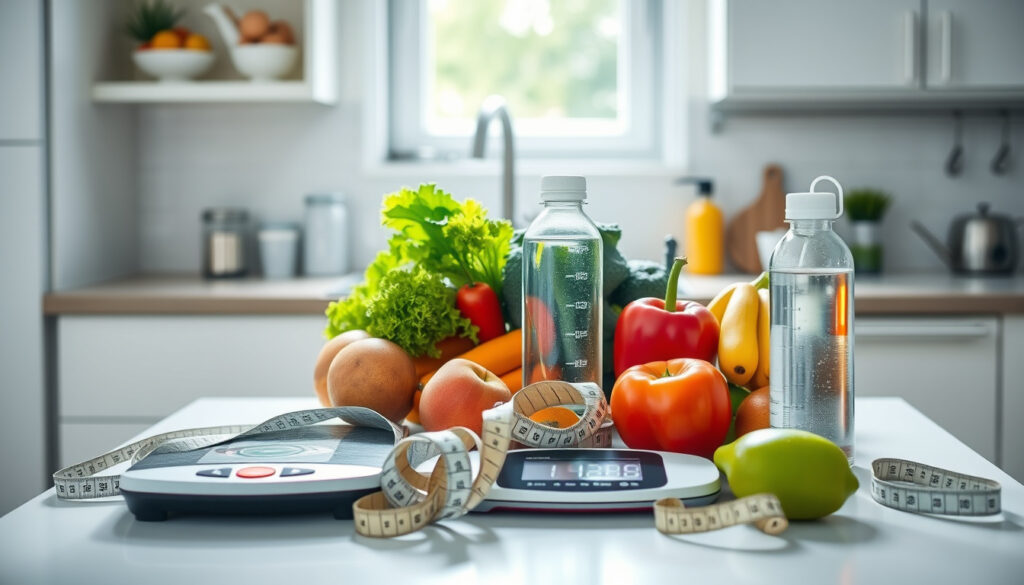
How to Lose Weight Fast: Safe Tips from NHS & Experts
If you’ve ever typed “how to lose weight fast” into a search bar, you’re in good company — the NHS’s free 12-week weight loss guide has been downloaded over 4 million times. The challenge isn’t finding advice; it’s knowing what actually works without risking your health.
Safe weekly loss: 1–2 pounds (0.5–1kg) · NHS recommended pace: Gradual progress · Quick fixes risk: Not sustainable · Breakfast impact: Don’t skip · Hydration role: Stay hydrated
Quick snapshot
- A safe and achievable rate to lose weight is 1–2 lbs (0.5–1.0 kg) a week (NHS Scotland guidance)
- The NHS Weight Loss Plan is a free 12-week app-based programme (NHS Better Health programme)
- Eat three regular meals daily — skipping meals backfires (Mersey Care NHS patient leaflet)
- Exact calorie burn varies significantly by individual age, sex, and metabolism
- Long-term retention rates after completing the 12-week NHS plan aren’t publicly tracked
- Set a 6-month goal: 5–10% body weight loss is realistic and medically meaningful (Leeds Community Healthcare NHS guidance)
- Making 1–2 dietary or lifestyle changes per week leads to lasting results (CNTW NHS easy-read guide)
Five key facts from NHS guidance:
| Metric | Value | Source |
|---|---|---|
| Safe loss rate | 1–2 pounds per week (0.5–1kg) | NHS Live Well |
| Quickest sustainable method | Calorie deficit + activity | NHS Scotland |
| Belly fat myth | No spot reduction — overall deficit required | Rush University |
| Fasting window (7pm–7am) | 12 hours — one manageable option | NHS guidelines |
| VLCD max duration | 12 weeks under medical supervision | NHS Scotland |
| Daily activity target | 150 minutes moderate exercise per week | NHS Live Well |
What is the quickest way of weight loss?
Creating a daily calorie deficit of around 600 calories is the most effective approach. According to NHS Scotland clinical guidance, this eating pattern leads to 0.5–1kg (1–2 lbs) of weight loss per week — the rate the NHS classes as safe and achievable. The agency’s guidance states: “A safe and achievable rate to lose weight is 1–2 lbs (0.5–1.0 kg) a week.”
Dramatic initial results often come from water weight, not fat loss. Sustainable weight loss more likely with sensible targets than strict regimes (NHS Scotland clinical resource).
Crash diets — any regimen promising rapid results — typically fail because they’re unsustainable and can trigger metabolic slowdown. The NHS Better Health programme offers a 12-week structured plan covering goal-setting, meal planning, activity, and progress tracking, downloaded millions of times for good reason.
Very low-calorie diets (under 800 calories per day) should not exceed 12 weeks and require medical supervision, according to NHS Scotland clinical guidance. For most people, a modest calorie reduction combined with increased physical activity produces better long-term outcomes.
The pattern is clear: there is no shortcut that doesn’t come with trade-offs. A structured programme beats chasing quick fixes every time.
Can I lose 10 pounds in 3 days?
No. You cannot lose 10 pounds of body fat in three days. According to WebMD health editors, extreme short-term diets may produce dramatic-looking scale results, but these reflect water and glycogen depletion, not fat loss. A pound of fat contains roughly 3,500 calories; losing 10 pounds would require a deficit of 35,000 calories — physiologically impossible over 72 hours.
The Mersey Care NHS clinical guidance is unambiguous: avoid crash diets. They can cause nutritional deficiencies, muscle loss, and a slower metabolism that makes subsequent weight regain more likely.
Very low-calorie diets under 800 calories per day should not exceed 12 weeks and require medical supervision, according to NHS Scotland patient resource. If you’re considering any extreme restriction, speak to a GP first.
Rapid loss claims set false expectations. Setting a 6-month target of 5–10% body weight loss keeps goals grounded in what’s physiologically achievable (Leeds Community Healthcare NHS clinical advice).
The catch: sustainable fat loss takes time. If someone promises you 10 pounds in three days, they’re selling water weight — not a body composition change.
How can I lose weight in 7 days at home?
You won’t transform your body in a week, but you can establish habits that set you up for success. The key is dietary control, light activity, and consistency — all achievable without a gym.
Diet changes
Plan all meals for the day in advance, including what and when, and stick to the plan, according to the ELHT NHS weight management guidance. Limit yourself to three meals daily with no snacks between. Each snack should be 120 calories or less — think a small plain scone or two plain biscuits.
Eat at least five portions of fruit and vegetables daily (80g per portion), recommends the NHS Live Well dietary guidance. Don’t stock unhealthy foods at home; opt for popcorn, fruit, or rice cakes instead. Swap sugary drinks for water or diet alternatives, and limit fruit juice to one small glass per day.
Exercise boosts
Activity doesn’t need to be intense. Aim for 30 minutes of daily activity like walking, cycling, gardening, or swimming, per Mersey Care NHS physical activity guidance. Break this into 10-minute segments if needed. The NHS Live Well activity recommendations recommends 150 minutes of moderate activity per week — manageable for most people.
Lifestyle tweaks
Drink at least two litres of low-calorie fluids daily, recommends Guys and St Thomas’ NHS nutrition advice. Chew each bite 20 times or put your cutlery down between bites to slow eating and aid portion control, according to ELHT NHS eating strategies. No calories after 8pm — only water or unsweetened tea.
Combining these home-based approaches with consistency delivers results: the NHS 12-week programme proves that small daily choices compound into significant weight loss over time.
What foods help burn belly fat?
No food burns fat directly. The concept of “fat-burning” foods is misleading, according to Rush University health researchers. However, certain foods support a calorie deficit and preserve muscle mass during weight loss, indirectly aiding belly fat reduction.
High-protein foods
Protein is thermic — your body burns calories digesting it. It also preserves lean muscle during a calorie deficit, maintaining metabolic rate. Rush University recommends including eggs, chicken breast, Greek yogurt, cottage cheese, and fish in your meals. Legumes like lentils and chickpeas provide protein plus fibre, keeping you fuller for longer.
Fibre-rich options
High-fibre foods slow digestion and promote satiety, making calorie restriction easier. NHS Live Well dietary guidance recommends eating at least five portions of fruit and vegetables daily. Good options include oats, beans, apples, berries, and leafy greens.
Avoid processed foods
Ultra-processed foods are calorie-dense and easy to overeat. Read food labels and prefer products with green-coded nutritional information over amber or red, recommends the NHS Live Well labelling advice. The NHS Eatwell Guide reference advises basing your diet on wholegrain starchy foods, proteins including two fish portions weekly, lower-fat dairy, and unsaturated oils used sparingly.
You cannot target belly fat specifically. “Spot reduction” is a myth — overall calorie deficit is the only mechanism that reduces abdominal fat (Rush University nutrition research).
The implication: protein preserves muscle, fibre controls appetite, and whole foods prevent overconsumption. Together, they support the calorie deficit required for fat loss — but they don’t replace it.
Does fasting from 7pm to 7am work?
Yes, but with caveats. A 12-hour overnight fast from 7pm to 7am is a reasonable approach, though it is not uniquely superior to other time-restricted eating methods. The NHS Live Well weight management guidance doesn’t prescribe specific eating windows, but notes that no calories after 8pm can help reduce overall daily intake. If you’re looking for more information on weight management, consider exploring the best kids lunch boxes Ireland.
12-hour fast science
Time-restricted eating works by compressing your eating window, which often leads to natural calorie reduction. There’s nothing magic about the 7pm–7am window specifically — any consistent 12-hour fast achieves similar effects. The key is finding a schedule you can maintain long-term.
Benefits and limits
Intermittent fasting (5:2 diet) involves five days of normal eating and two non-consecutive days at 500–600 calories. According to NHS Scotland fasting guidance, this is one evidence-based approach. However, the 7pm–7am fast is less structured than 5:2 and won’t produce faster results than consistent calorie control through other methods.
Consult your doctor before starting any fasting protocol, especially if you have diabetes, a history of eating disorders, or take medication that requires food intake (NHS Live Well safety advice).
Combine with diet
Fasting without addressing overall diet quality produces limited results. If you fast from 7pm to 7am but then eat processed foods at every meal, you’ll struggle to create the calorie deficit needed for weight loss. Use the fasting window as one tool among many: meal planning, portion control, and increased activity matter equally.
What this means: a 12-hour fast is easy to maintain and doesn’t require calorie counting on most days. But it’s not a shortcut — it works only when combined with the same dietary principles the NHS recommends.
How to lose weight fast: step by step
Follow this sequence for best results:
- Calculate your baseline. Use a free app like MyFitnessPal to track current intake for a week without changing anything — awareness is the first step.
- Set a modest daily deficit. Aim for 600 calories below your maintenance needs, which should yield 0.5–1kg loss per week according to NHS Scotland calorie guidance.
- Plan three meals daily. No snacks, no skipping meals, per Mersey Care NHS meal guidance. Pre-define what you’ll eat and when.
- Eat slowly. Chew 20 times per bite or put cutlery down between bites, recommends ELHT NHS eating pace guidance. Keep meals under 20 minutes.
- Move more. Build toward 150 minutes of moderate activity weekly, as recommended by the NHS Live Well activity targets. Start with 30-minute daily walks if you’re new to exercise.
- Hydrate adequately. Drink at least two litres of low-calorie fluids daily, per Guys and St Thomas’ NHS hydration advice. No calories after 8pm.
- Weigh weekly. Track progress consistently — same day, same time, same scale — per Leeds Community Healthcare NHS tracking guidance.
- Adjust gradually. Make 1–2 changes per week, recommends CNTW NHS sustainable changes guidance. Sustainable progress beats dramatic short-term results.
“A safe and achievable rate to lose weight is 1–2 lbs (0.5–1.0 kg) a week.”
— NHS Scotland (MyDiabetesMyWay)
“There is no such thing as a food that specifically burns fat. Spot reduction is a myth.”
— Rush University (Rush Health News)
“Develop healthier eating habits, be more active, and get on track to start losing weight with this easy-to-follow NHS Choices 12-week guide.”
— NHS England (NHS Weight Loss PDF)
For anyone searching “how to lose weight fast,” the honest answer is: gradually. The NHS’s 12-week plan works because it doesn’t ask you to overhaul everything at once — it builds habits that stick. Sustainable weight loss more likely with sensible targets than strict regimes with initial dramatic results, as NHS Scotland clinical guidance puts it.
Related reading: How Long to Boil Potatoes for Healthy Meals · Is COVID Still Around 2025 – Health Updates
NHS guidelines advocate 1-2 pounds weekly for sustainable results, as explored in NHS safe weekly limits detailing safe per-week loss.
Frequently asked questions
How to lose 20 pounds very quickly?
Losing 20 pounds safely requires approximately 10–20 weeks at the NHS-recommended rate of 1–2 pounds per week. There is no safe way to achieve this faster. Extreme diets risk nutritional deficiencies, muscle loss, and metabolic damage. A structured programme like the NHS 12-week plan is the most reliable path.
How to burn 1000 calories a day?
Creating a 1000-calorie daily deficit would result in roughly 2 pounds of weight loss per week — double the NHS recommended safe rate. While exercise can contribute, dietary control is more reliable. Attempting to burn 1000 calories through exercise alone is unrealistic for most people and may increase injury risk. A 600-calorie deficit through diet plus moderate activity is more sustainable.
Which body part loses fat first?
Fat loss occurs systemically, not locally. Your genetics determine where you store and release fat first. Abdominal fat often responds to overall calorie deficit, but you cannot target specific areas through exercise or diet. The only mechanism for reducing fat anywhere on your body is creating an overall calorie deficit, per Rush University research.
What drink burns the most fat?
No drink burns fat. Water supports weight loss by aiding metabolism and reducing calorie intake when substituted for sugary drinks. Green tea contains compounds that may slightly increase metabolism, but the effect is minimal. The most effective “fat-burning” drink is water, consumed in place of high-calorie alternatives, per BBC Good Food nutrition analysis.
What kills belly fat naturally?
Belly fat reduces through overall calorie deficit, not specific foods or supplements. High-protein diets preserve muscle mass during weight loss, which indirectly supports belly fat reduction. Fibre-rich foods control appetite, making calorie restriction easier. Combined with regular activity and adequate sleep, these factors create the conditions for visceral fat loss. Avoid ultra-processed foods and prioritise whole foods per the NHS Eatwell Guide.
How to lose weight fast without exercise?
Weight loss is primarily driven by diet, so exercise is optional for fat loss — but it significantly improves results and preserves muscle. Without exercise, focus entirely on calorie control: eat three meals daily with no snacks, use smaller plates, pre-plan meals, avoid processed foods, and drink two litres of water daily. A 600-calorie daily deficit through diet alone can produce 0.5–1kg weekly loss.
How to lose weight fast in 30 days?
A realistic target for 30 days is 1–2 kg (2–4 pounds) using the NHS-recommended approach: modest calorie deficit, three structured meals, no snacks, and increased daily activity. Any “fast” result beyond this comes from water weight and will return. The NHS Better Health programme shows that consistent habits over weeks produce lasting changes that a 30-day sprint cannot.
More related posts
 Al Nassr vs Al Akhdoud: Head-to-Head, Prediction & Stats
 Met Éireann Snow Forecast – No Warnings Active in Ireland
 Coláiste Dún an Rí: Principal, Roll Number, Location
 Get Your QQI Level 5 Healthcare in Ireland: A Complete Guide
 What Is a Transit Visa? Requirements, Cost, and Application Guide
 New Dyson Hair Launch 2026: Airwrap, Supersonic r & More
 Percy Jackson Cabin Quiz – Find Your Demigod Cabin Match
 How Much Is My Car Worth – Free Tools and Valuation Guide 2025