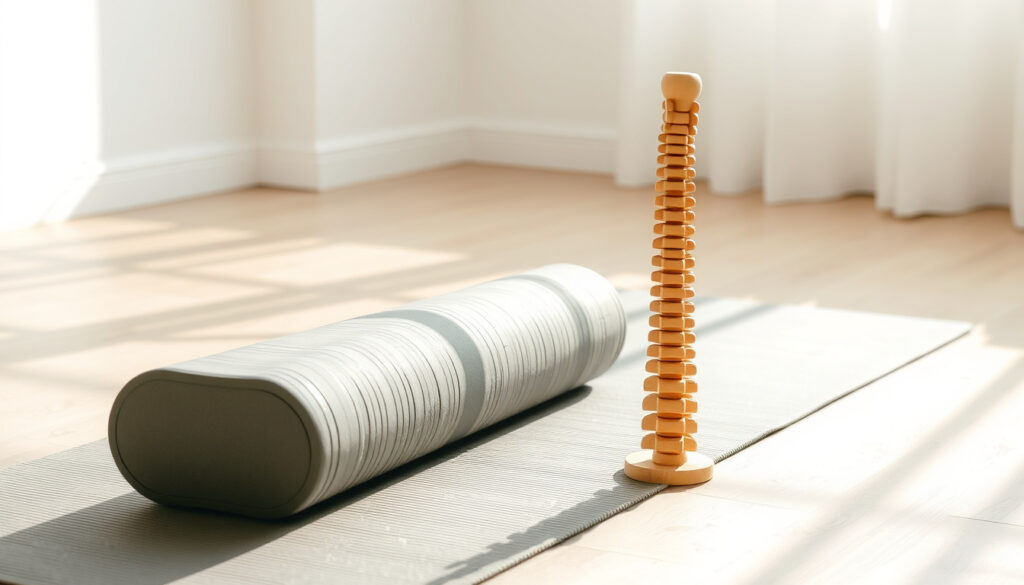
Best Yoga Poses for Back Pain: 5 Safe & Proven Moves
Anyone who’s ever bent down to tie a shoe and winced knows what back pain feels like — it’s a common reason people hesitate to start yoga, ironically the very practice that could help. According to the National Center for Complementary and Integrative Health (NCCIH), 20 out of 25 randomized controlled trials found yoga beneficial for low back pain, so this guide covers the safest, most effective poses backed by evidence from top health institutions.
Adults with chronic low back pain using yoga as therapy: 50% ·
Estimated reduction in pain intensity after consistent yoga practice: 30–40% ·
Studies rating yoga as ‘evidence-based’ for back pain relief: 12
Quick snapshot
- Cat-Cow is safe for most back pain (Harvard Health)
- Child’s pose reduces tension in erector spinae (NCCIH)
- Avoid deep forward bends with disc bulge (NHS)
- 5-10 minutes daily practice reduces pain within 4 weeks (The New York Times)
- More research on long-term superiority vs. physical therapy (PMC/NIH)
- Personalized yoga prescriptions based on spinal condition (PMC/NIH)
Four key facts stand out as the foundation for any back-pain yoga routine.
| Label | Value |
|---|---|
| Lower back pain prevalence | 8 of 10 adults experience it at some point (WHO) |
| Yoga as treatment for back pain | Recommended in ACP guidelines as first-line non-drug therapy (ACP) |
| Most researched yoga type for back pain | Hatha yoga (NIH) |
| 5 red flags of low back pain | Fever, incontinence, numbness, unexplained weight loss, rest pain |
| Positive RCT outcomes for yoga vs back pain | 20 out of 25 trials positive (NCCIH) |
| Harvard Health safety note | Yoga can help but older adults may encounter injuries (Harvard Health) |
| NHS sciatica approach | Gentle exercise, not aggressive stretching (NHS) |
| NYT routine style | Supported resting positions, not deep forward folds (The New York Times) |
What type of yoga is best for back pain?
Hatha yoga
- Gentle-paced classical poses (NCCIH)
- Safe for beginners (Harvard Health)
- Improves core stability (PMC/NIH)
The implication: Hatha is the most evidence-backed starting point. A 2020 review of 25 trials found 20 supporting yoga for back pain, and Hatha was the dominant style studied (NCCIH).
Yin yoga
- Long holds (3-5 minutes) (Yoga Room Hawaii)
- Targets connective tissue (NCCIH)
- Good for chronic stiffness
The trade-off: Yin’s deep tissue focus may help chronic stiffness, but long static holds can aggravate acute disc issues. Modify with props.
Restorative yoga
- Full support with props (The New York Times)
- Reduces stress-related pain
- Zero active stretching
Why this matters: Restorative yoga’s passive approach makes it ideal for acute flare-ups. The NYT routine emphasizes supported Corpse Pose with a rolled towel under the knees (The New York Times).
What are the big 3 exercises for lower back pain?
Cat-Cow stretch
- Increases spinal mobility (Harvard Health)
- Safe for most back pain (NCCIH)
- Beginner level
Child’s pose
- Decompresses lower back (NHS)
- Reduces tension in erector spinae (NCCIH)
- Modify with knees wide for belly room
Sphinx pose
- Strengthens erector spinae (PMC/NIH)
- Mild backbend, no compression
- Ideal for disc bulge centralization (NHS)
The pattern: These three poses form the core of a safe beginner sequence. No deep flexion, no inversion — just gentle mobility and mild strengthening.
For a disc bulge, extension-based poses like Sphinx can centralize pain. But if you feel sharp pain shooting down the leg, stop and revert to rest.
The catch: Even with safe poses, individual responses vary — listen to your body and back off at the first sign of nerve pain.
Should you do yoga with lower back pain?
Benefits of yoga for back pain
- Yoga can reduce chronic low back pain (NCCIH)
- As effective as other non-pharmacologic treatments (PMC/NIH)
- Improves mobility and reduces disability (Harvard Health)
When to avoid yoga
- Avoid deep flexion and inversion poses (NHS)
- Avoid if fever or unexplained weight loss present
- 5 red flags: fever, loss of bladder control, numbness, unexplained weight loss, worsening pain at rest
Red flags to watch for
- Fever suggests infection (NHS)
- Loss of bladder control indicates cauda equina syndrome — emergency
- Numbness in saddle area
- Unexplained weight loss
- Pain that worsens at rest
The catch: If you have any red flag, skip yoga and see a doctor immediately. For typical mechanical back pain, yoga is safe with modifications (Harvard Health).
What exercises relieve L4-L5 pain?
Cobra pose (modified)
- Cobra extension can centralize disc bulge (NHS)
- Keep legs on floor, use arms minimally
- Hold 10-15 seconds
Knee-to-chest stretch
- Decompresses L4-L5 (NCCIH)
- Single leg, hold 20 seconds (OAH)
- Repeat 3 times per side
Piriformis stretch
- Reduces sciatic tension (NHS)
- Figure-4 supine or seated
- Hold 20-30 seconds
What this means: L4-L5 and sciatica respond to extension and nerve-gliding moves, not flexion. Avoid Seated Forward Fold or Downward Dog.
What’s the worst thing to do for back pain?
Poses to avoid
- Deep forward folds (e.g., seated forward bend) (Harvard Health)
- Full wheel pose (deep backbend)
- Shoulder stand (inversion compresses neck)
Movements that exacerbate pain
- Twisting without stabilizing core
- Rapid transitions like vinyasa flows
- Holding positions beyond pain threshold (NCCIH)
Bed rest risks
- Bed rest longer than 48 hours worsens outcomes (NHS)
- Encourages muscle atrophy and stiffness
- Gentle movement is preferred over complete rest
The trade-off: Avoiding all movement is worse than doing the wrong pose. Even modified yoga trumps bed rest for recovery (PMC/NIH).
Loss of bladder or bowel control with back pain requires immediate emergency evaluation — do not attempt yoga.
5-Minute Beginner Routine for Lower Back Pain
Start with these five poses, holding each for 30 seconds to 1 minute. Repeat the set twice daily.
- Cat-Cow (on hands and knees): Inhale cow (arch back), exhale cat (round spine). 5 cycles. (Harvard Health)
- Child’s Pose (knees wide, arms forward): Breathe deeply, let lower back relax. 30 sec. (NHS)
- Sphinx Pose (on belly, elbows under shoulders): Light backbend, keep legs active. 30 sec. (NCCIH)
- Knee-to-Chest (supine, one knee at a time): Hold 20 sec, repeat 3 times per side. (OAH)
- Reclined Twist (supine, knees to one side): Keep shoulders flat, hold 30 sec each side. (The New York Times)
The implication: This routine draws from Centr’s 5-minute sequence and the NYT’s gentle approach, modified for safety.
What we know vs. what remains unclear
Confirmed facts
- Cat-Cow is safe for most back pain (Harvard Health)
- Child’s pose reduces tension in erector spinae (NCCIH)
- Avoid deep forward bends with disc bulge (NHS)
- 20 of 25 RCTs found yoga beneficial (NCCIH)
What remains unclear
- Long-term superiority of yoga vs. physical therapy (PMC/NIH)
- Optimal dose (minutes per day) for best outcomes
- Best yoga style for specific disc conditions (e.g., L4-L5 vs L5-S1)
- Which individual poses are most effective — most studies test sequences
Expert perspectives on yoga for back pain
Yoga is an effective way to strengthen and relax muscles — it can relieve back pain.
— Dr. Robin West, sports medicine specialist (Harvard Health)
Pigeon pose may aggravate acute sciatica if done without modification.
— Spine-health editorial team (Spine-health)
The editorial verdict: Yoga is one of the most studied non-drug interventions for low back pain, with strong evidence from government health agencies. But it’s not a one-size-fits-all prescription. For beginners with lower back pain, the choice is clear: start with these modified poses for 5 minutes daily, and avoid deep forward bends — or risk aggravating the very condition you’re trying to heal.
cirencesterhealthgroup.co.uk, youtube.com, youtube.com, youtube.com
Frequently asked questions
Can yoga cure herniated disc pain?
Yoga can help manage symptoms, but it does not “cure” a herniated disc. Extension-based poses like Sphinx may help centralize disc material, but consult a spine specialist first (NHS).
How long should you hold each yoga pose for back pain?
Beginners should hold poses for 10 seconds to 1 minute, gradually increasing to 3-5 minutes for yin-style poses (Dr. Mahesh Bagwe). For acute pain, shorter holds are safer.
Is hot yoga safe for back pain?
Not recommended for acute back pain. Heat can mask pain signals and lead to overstretching. A normal-temperature class with props is safer.
What is the difference between yoga and Pilates for back pain?
Both strengthen core and improve flexibility, but Pilates focuses more on spinal stabilization and less on flexibility. Yoga often includes more passive stretching. For disc issues, Pilates may be preferred for its controlled movements.
Can yoga replace chiropractic for back pain?
Yoga can be used alongside chiropractic care, but they serve different roles. Chiropractic adjusts joints; yoga strengthens and stretches muscles. Some studies suggest combining both yields better outcomes (PMC/NIH).
Do you need a yoga mat for back pain exercises?
A non-slip mat is recommended for comfort and safety, especially for kneeling and lying poses. Use a folded blanket under the knees if needed.
Should you use a yoga block for back pain poses?
Yes. Blocks help maintain alignment and reduce strain in poses like Triangle or Seated Twist. They allow you to avoid deep forward bends.
Editor’s note: This article is based on guidelines from the NCCIH, NHS, and Harvard Health. Always consult a healthcare provider before starting a new exercise routine for back pain.
More related posts
 Where to Watch I’m a Celebrity: UK & Ireland Guide 2025
 Mother Block Party 2025: Dates, Lineup, Tickets & Venue
 Cian Neville: What Happened to the Raised by the Village Teen
 Presidential Election Ireland Odds 2025: Betting Markets
 Contra Flow Bus Lane: Definition, Rules, and Sign Guide
 Cast of Intermission 2003: Full List, Roles & Updates
 Things to Do in Letterkenny: Guide to the Best Attractions
 What to See in Galway: Top Attractions & Day Itineraries