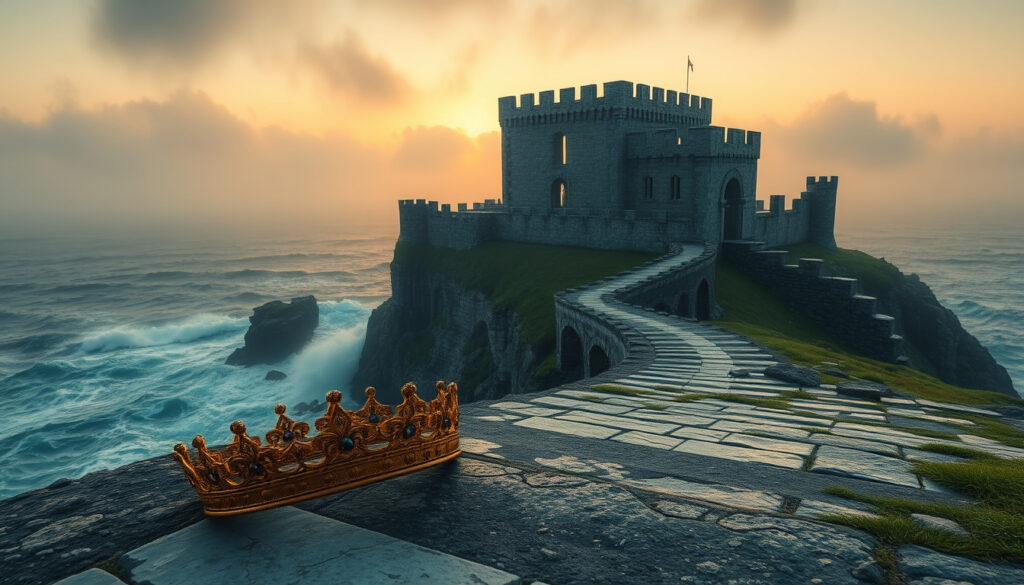
Viva La Vida Lyrics by Coldplay: Full Text & Meaning
Few songs from the 2000s still get sung at full volume like Coldplay’s “Viva La Vida.” The track spent four weeks at No. 1 on the Billboard Hot 100 in 2008, making it Coldplay’s first chart-topper in the United States. But beyond its anthemic chorus lies a story soaked in French Revolution history, biblical imagery, and a Mexican painter’s influence on its title.
Artist: Coldplay · Album: Viva la Vida or Death and All His Friends · Release Year: 2008 · Opening Lyrics: I used to rule the world · Top Lyrics Sites: Genius, AZLyrics, Musixmatch
Quick snapshot
- The title translates to “long live life” in Spanish (Wikipedia)
- Song peaked at No. 1 on Billboard Hot 100 in 2008 (American Songwriter)
- Frida Kahlo painted “Viva la Vida” in 1954 — Chris Martin saw it at Casa Azul museum in Mexico City (American Songwriter)
- The degree to which religious interpretation was intentional vs. layered by listeners
- Whether Chris Martin explicitly studied Louis XVI history or absorbed it more casually
- King Louis XVI and the French Revolution (Wikipedia)
- Frida Kahlo’s watermelon painting (American Songwriter)
- Biblical figures: Saint Peter, Lot’s wife, John the Baptist (Wikipedia)
- Universal theme of power’s fragility — a king, a empire, a fall (Lyric Lab analysis)
- Irony of upbeat melody carrying tragic lyrics (Lyric Lab analysis)
The table below consolidates key facts about the song, sourced from Wikipedia, American Songwriter, and lyric databases.
| Fact | Value | Source |
|---|---|---|
| Artist | Coldplay | Wikipedia |
| Song Title | Viva La Vida | Wikipedia |
| Album | Viva la Vida or Death and All His Friends | Wikipedia |
| Release Year | 2008 | Wikipedia |
| Billboard Peak | No. 1 | American Songwriter |
| Primary Lyrics Source | Genius.com | Genius lyrics database |
| Musical Key | Ab Major | Lyric Lab |
| Tempo | ~138 BPM | Lyric Lab |
| Opening Line | “I used to rule the world” | Genius lyrics database |
What does “viva la vida” mean?
The phrase comes from Spanish, translating directly to “long live life” — a toast to existence itself. But Coldplay didn’t coin it. Mexican artist Frida Kahlo painted a watermelon labeled “Viva la Vida” in 1954, and Chris Martin encountered that work at the Casa Azul museum in Mexico City during a tour.
“We were on tour in Mexico City, and there is a painter called Frida Kahlo… a painting called ‘Viva La Vida’… that’s a great title,” Martin told Howard Stern, recalling how the name stuck.
Literal translation
Spanish speakers will recognize “viva” as the imperative form of “vivir” (to live), used in celebratory contexts — think “Viva Mexico” or “Viva la revolution.” Combined with “la vida,” the phrase celebrates life itself, making it a surprisingly optimistic title for a song about a deposed king awaiting execution.
Song context usage
Within the lyrics, the phrase hangs unspoken — implied by absence rather than stated. The narrator, stripped of everything, still clings to some defiant joy in simply being alive. That tension between celebration and loss is the song’s beating heart.
Full Viva La Vida Lyrics
The complete lyrics trace a monarch’s fall from grace. Verse by verse, the king loses his empire, his people, and ultimately his life. Below is the standard transcription as published across top lyrics platforms including Genius and AZLyrics.
Verse 1
“I used to rule the world / Seas would rise when I gave the word / Now in the morning I sleep alone / Sweep the streets I used to own.”
The opening line establishes absolute power — seas literally obeyed. The reversal is brutal: from commanding nature to sweeping streets alone in the morning. The rhythm mirrors the fall, each phrase shorter and lonelier than the last.
Chorus
“Viva la vida / I used to rule the world / Seas would rise when I gave the word / But I was cleaving to my thirst / I know Saint Peter won’t call my name / Never such a bombo.”
The chorus pivots on a biblical turn: Saint Peter, the gatekeeper of heaven, won’t call the king’s name. In a Q magazine interview, Chris Martin explained this meant “You’re not on the list” for the pearly gates. The irony of “Viva la vida” — long live life — in this context hits hard when heaven seems locked shut.
Bridge
“Revolutionaries wait for my head on a silver plate / Just a puppet on a lonely string.”
The silver plate references John the Baptist’s execution — his head delivered on a platter per Salome’s demand. It connects the king’s fate to biblical martyrdom, deepening the sense of cosmic judgment.
Coldplay recorded an aggressively upbeat anthem about death, execution, and damnation. That deliberate mismatch between melody and meaning is what makes the song memorable — listeners dance to a monarch’s execution march.
Is Viva la Vida about Christianity?
The song certainly borrows Christian imagery, though whether it’s “about” Christianity depends on interpretation. Multiple biblical references weave through the lyrics, and scholars have traced several specific allusions.
Biblical references
The lyric mentions “pillars of salt” — a direct reference to Lot’s wife, who looked back at Sodom and was turned to salt (Genesis 19:26). “Pillars of sand” echoes the parable of the house built on sand from Matthew 7:24-27. Both images reinforce instability — foundations crumbling.
“Jerusalem bells a-ringing” and “Roman cavalry choirs” layer biblical and historical eras together. Jerusalem represents the Christian holy city; Roman soldiers carried out the crucifixion. The deliberate mixing creates an epic, timeless scope — this isn’t just one king’s fall but the fall of empires.
Saint Peter allusion
The line “I know Saint Peter won’t call my name” is the most explicitly religious moment. Saint Peter holds the keys to heaven — his refusal to call the king’s name implies damnation. Some listeners interpret this as an attack on institutional Catholicism, though Coldplay has never confirmed that reading.
Alternative interpretations exist. One analysis blog reads the line as admitting no heaven exists — an atheist’s lament. A fan forum debates whether the song is about Jesus Christ himself, though that reading remains contested.
Chris Martin’s history major background at University College London likely influenced the layered references — the band didn’t just throw biblical names in for atmosphere. Each allusion connects to themes of judgment, fallen power, and spiritual consequence.
What Inspired Viva La Vida?
Two major inspirations converge in the song: the French Revolution’s fallen monarch and Frida Kahlo’s painted watermelon.
Historical figures
Most analysis identifies King Louis XVI as the narrator’s inspiration. Louis XVI ruled France before the revolution and was executed on 21 January 1793 at 10:22 am. The song’s imagery — “revolutionaries wait for my head on a silver plate,” streets the king “used to own” — matches the guillotine’s aftermath.
The album cover reinforces this connection. It references Eugène Delacroix’s painting of French revolutionaries, directly tying visual design to revolutionary history.
One blogger traces the song’s themes to the biblical fall of humanity — Adam losing dominion — suggesting the “king” is everyman, every human facing mortality.
Painting influence
Frida Kahlo’s painting “Viva la Vida” (1954) features a watermelon inscribed with the phrase. Martin saw it during a Mexico City tour stop and reportedly thought “that’s a great title.” The title came first; the lyrics followed, built around the concept of a ruler’s fall.
The painting’s optimism — celebrating life through fruit — contrasts sharply with the song’s grim narrative. That tension between title and content is deliberate.
Coldplay Viva La Vida Chart Success
The song dominated charts worldwide upon its 2008 release. It marked Coldplay’s breakthrough in the United States after years of international success.
Biggest hit status
“Viva La Vida” became Coldplay’s first No. 1 on the Billboard Hot 100, spending four weeks at the summit. It also topped the UK Singles Chart. For a band known for album sales, this single success was significant.
The song has accumulated over one billion streams on Spotify, routinely appearing in playlists a decade and a half after release. Its staying power suggests listeners connect with the theme of lost power — whether personal, political, or existential.
Streaming data
Current Spotify metrics place “Viva La Vida” among Coldplay’s top three streamed tracks. It remains a concert staple, with fans singing the chorus at stadiums worldwide. The song’s streaming longevity outlasts most 2008 releases.
Chart performance proved Coldplay could crack the American market without compromising their identity. The song went No. 1 while retaining the orchestral arrangements and earnest lyrics that defined their sound — no small feat in the pop-rock landscape.
What people say
“We were on tour in Mexico City, and there is a painter called Frida Kahlo… a painting called ‘Viva La Vida’… that’s a great title.”
— Chris Martin, Coldplay lead singer, American Songwriter interview
“The song is about a man with power who loses everything, even his own life.”
— J.A., Baptist21 analysis
“You’re not on the list” to enter the pearly gates — that’s what ‘I know Saint Peter won’t call my name’ means.
— Chris Martin, Wikipedia (Q magazine interview)
Related reading: Mo Ghra Sa lyrics meaning · Of Mice and Men lyrics analysis
aulart.com, youtube.com, youtube.com, americansongwriter.com
Coldplay’s Viva La Vida draws from kings’ falls and redemptions, with its full text and layered meanings explored further in detailed lyrics breakdown for deeper context.
Frequently asked questions
What year was Viva La Vida released?
The song was released in 2008 as the second single from Coldplay’s fourth studio album, “Viva la Vida or Death and All His Friends.”
Who produced Viva La Vida?
The track was produced by Brian Eno and Markus Dravs, the same production team behind much of Coldplay’s work since “X&Y.”
What genre is Viva La Vida?
The song blends pop-rock with baroque pop elements. Its signature sound features a looping string section and processed piano, giving it an orchestral quality.
How long is the Viva La Vida song?
The album version runs approximately 4 minutes and 3 seconds. Radio edits sometimes trim the length by a few seconds.
Did Viva La Vida win any awards?
The song won Best Rock Vocal Performance at the 2009 Grammy Awards and earned nominations for Record of the Year and Song of the Year.
What is the BPM of Viva La Vida?
The song runs at approximately 138 BPM in the key of Ab Major, making it a fast-tempo pop-rock track.
Where does Viva La Vida rank on Coldplay’s top songs?
It’s widely considered among Coldplay’s signature tracks, alongside “Yellow” and “Clocks.” It remains one of their most-streamed songs on Spotify with over a billion plays.
Related reading
- Wikipedia — Complete overview of song history, lyrics analysis, and chart performance
- American Songwriter — How Frida Kahlo inspired the title
- American Songwriter — Louis XVI connection explained
- Genius — Full lyrics with annotations
- Brooke McCurdy Blog — Biblical allusion breakdown
More related posts
 Galway Bay Hotel Prices: Rates, Packages & Value Guide
 Houses for Sale in Slane: Listings, Prices & Guide
 What Channel Is the Ballon d’Or Ceremony On – 2025 Country Guide
 Mountaineers of Iceland Snowmobiling: Tours, Prices & Tips
 Chelsea vs Everton Timeline: Head-to-Head History
 Aer Lingus Flights to Lanzarote: Routes, Deals & Timetables
 What Day Is Easter 2025? Sunday, April 20 – Why So Late
 Why Transparency and Lab Testing Matter to Today’s CBD Consumers